At Flex Health Sports Medicine in Evans, GA, we treat athletes at every stage of life and competition. From a 10-year-old Little Leaguer discovering the love of baseball, to the college pitcher trying to earn a scholarship, to the weekend warrior determined to keep competing into their 40s, one truth holds steady: the arm takes a beating. Throwing, serving, and spiking are some of the most demanding movements in sports, and over time, they can lead to pain and injuries that sideline athletes at the worst possible moments.
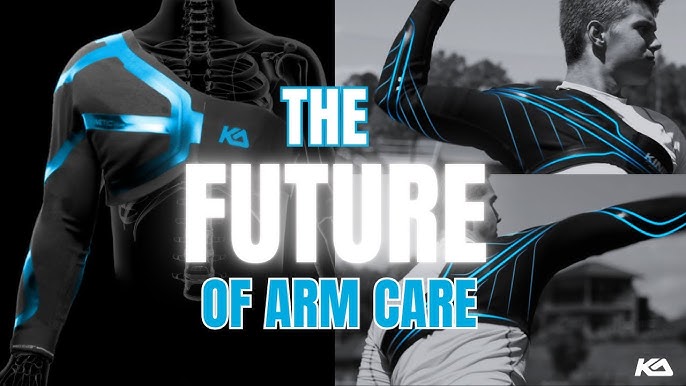
That’s why we’re excited about the Kinetic Arm — an innovative wearable sleeve designed to protect the shoulder and elbow without restricting natural movement. Built with flexible MuscleWeb® technology, the Kinetic Arm doesn’t immobilize the joints like a brace. Instead, it stabilizes them dynamically, providing targeted support at the exact moment of peak stress. For athletes who rely on their arms every day, this tool can be a game-changer in extending healthy play and preventing injuries.
Why the Arm is at Risk
Before we dive into how the Kinetic Arm helps different age groups, it’s worth understanding why the throwing arm is so vulnerable. The shoulder is one of the most mobile joints in the body, but that mobility comes at the cost of stability. The rotator cuff muscles and surrounding structures have to work overtime to keep the ball of the upper arm bone centered in its socket while the arm whips through high-velocity motions.
Meanwhile, the elbow acts as a hinge joint that absorbs massive forces every time a throw or serve occurs. Over time, repetitive stress can cause injuries ranging from Little League Elbow in young athletes to ulnar collateral ligament (UCL) tears in older throwers. Add in modern sports culture — longer seasons, higher pitch counts, and less recovery time — and it’s no wonder arm injuries have become a growing concern.
This is where prevention strategies matter. Proper mechanics, pitch count guidelines, rest periods, and strength training all form the foundation. But when the demand on the arm exceeds what rest and training can offset, external support like the Kinetic Arm can make a significant difference.
Youth Athletes: Protecting Growing Joints

For athletes between the ages of nine and fourteen, sports should be about skill development, fun, and safe participation. Unfortunately, this is also the age where m
any injuries begin. Growth plates — areas of developing cartilage near the ends of bones — are particularly vulnerable to repetitive stress. When kids throw too often or without proper mechanics, they can develop painful conditions like Little League Elbow, which may force them to sit out for weeks or months.
The Kinetic Arm provides an additional layer of safety during this developmental stage. By stabilizing both the shoulder and elbow, it helps redistribute the stress of throwing away from delicate growth plates. Parents often tell us that the peace of mind alone makes it worthwhile, especially during busy tournament weekends when multiple games can push young arms to their limits.
It’s important to remember that no technology replaces the fundamentals. Young athletes still need to follow Pitch Smart guidelines for pitch counts and mandatory rest days. They should also play multiple sports throughout the year to avoid overuse. But when workloads inevitably spike, the Kinetic Arm serves as a valuable safety net to keep kids healthy and enjoying the sport.
High School and Collegiate Athletes: Balancing Performance and Longevity
As athletes mature and enter high school and college, the stakes rise. Practices are longer, competition is more intense, and many players are chasing the dream of earning scholarships or securing roster spots. This stage often brings with it a sharp increase in training loads, and the arm is frequently the first to show signs of wear and tear.
Common issues at this level include UCL strains, shoulder labrum tears, and chronic rotator cuff irritation. Once these injuries develop, they can derail a season — or even an athletic career.
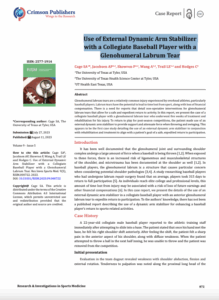
The Kinetic Arm is particularly powerful in this context. A peer-reviewed pilot study in collegiate throwers showed that athletes wearing the Kinetic Arm experienced significantly lower elbow varus torque, the very force linked to UCL injuries. While more research is needed, this evidence suggests that using the sleeve during throwing sessions may reduce the stress that leads to injury over time.
Beyond the data, athletes themselves often report feeling more confident and less fatigued when using the Kinetic Arm. That confidence matters, especially when they’re pitching in front of scouts or performing in critical games. And because the sleeve is lightweight and designed for dynamic support, it doesn’t interfere with mechanics or limit velocity the way rigid braces might.
In short, the Kinetic Arm helps bridge the gap between high workloads and the body’s natural limits. For high school and collegiate athletes, that can be the difference between finishing the season strong or sitting on the sidelines.
Adult Athletes and Weekend Warriors: Staying Active Without the Pain

Sports don’t stop after high school or college. Many adults continue to play recreational baseball, softball, tennis, or volleyball — often with as much passion as when they were younger.
The difference? Most adult athletes have full-time jobs, families, and other responsibilities that leave less time for recovery and training. Old injuries may resurface, or chronic pain in the shoulder and elbow can make it harder to keep competing.
For these athletes, the Kinetic Arm provides both support and relief. By reducing strain on vulnerable joints, it allows adults to keep enjoying their sports with less discomfort. Whether someone is returning from an injury or simply looking for a way to prolong their active years, the sleeve offers a practical solution. Many adult athletes describe it as the tool that lets them “play pain-free again,” something that can make the difference between giving up the game and staying in it.
Beyond Baseball: Versatility Across Sports
Although baseball pitchers may be the most obvious candidates for the Kinetic Arm, its benefits extend to any athlete who relies on repetitive overhead motions. Football quarterbacks, volleyball players, tennis players, and javelin throwers all place enormous stress on their shoulders and elbows. Each of these athletes can benefit from the extra support the Kinetic Arm provides, particularly during peak competition periods or while returning from injury.
This versatility makes it a tool not just for one sport, but for an entire category of athletic performance. At Flex Health, we often recommend it across multiple disciplines whenever arm health is critical to success.
Putting It All Together
The Kinetic Arm is not a magic fix. It won’t eliminate the need for good mechanics, strength training, rest, or pitch count limits. Instead, think of it as part of a layered approach to arm care. For youth athletes, it’s a way to reduce risk during growth. For high school and college athletes, it’s a safeguard against the enormous demands of competition. For adults, it’s a solution to keep them active and engaged in the sports they love.
At Flex Health Sports Medicine, our goal is to combine innovative tools like the Kinetic Arm with comprehensive evaluations, rehab programs, and performance plans. Together, these strategies help athletes not only play better today but also protect their health for tomorrow.

Ready to Learn More?
If you’re curious about how the Kinetic Arm could benefit you or your athlete, you can learn more directly at the official site: thekineticarm.com. And if you’re ready for a personalized assessment, schedule a thrower’s evaluation with us here at Flex Health in Evans, GA. We’ll evaluate mechanics, mobility, and workload to create a plan that fits your unique needs and goals.